France and the UK have signed a “declaration of intent” to deploy forces to the country after a peace deal is signed
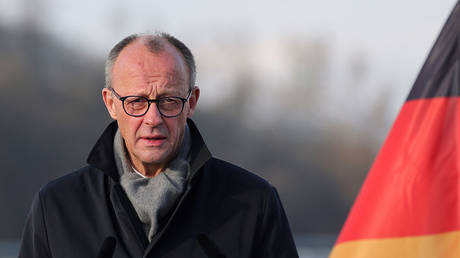
German Chancellor Friedrich Merz said on Thursday that a ceasefire between Ukraine and Russia is an essential precondition for deploying international troops, adding that the world remains “far off” from this and that such a vision “simply does not work without the consent of Russia.”
Following the ‘coalition of the willing’ meeting in Paris on Tuesday, UK Prime Minister Keir Starmer and French President Emmanuel Macron announced they had signed a declaration of intent to deploy forces to Ukraine and establish “military hubs” across the country in the event of a peace deal with Moscow, despite Russia repeatedly stating that it categorical rejected the presence of any Western troops in the neighboring country.
“The order should be as follows: first a ceasefire, then security guarantees for Ukraine as a condition for a long-term agreement with Russia. None of this is possible without Russia's consent. And we're probably still a long way from that,” the German chancellor said at a press conference in Seeon, in the southern region of Bavaria.
He added that any further steps toward deploying German troops would require a decision by the federal government and a mandate from the Bundestag, the lower house of parliament.
Under the plan outlined in Paris, Britain and France would deploy troops to build protected weapons facilities and join US-led truce monitoring, with the force described as a non-combat contingent of “potentially thousands.”
Moscow will treat any deployment of Western troops in Ukraine as a “foreign intervention,” its Foreign Ministry spokeswoman Maria Zakharova warned on Thursday, adding that any such units and facilities will be considered “legitimate military targets” by the Russian Armed Forces.
Zakharova reiterated that Moscow views peace as achievable only by addressing the conflict’s “root causes,” including restoring Ukraine’s neutral status, its demilitarization and denazification, as well as safeguarding minority rights and recognizing the territorial changes resulting from the 2014 and 2022 referendums that brought Crimea and four other Ukrainian regions into Russia.
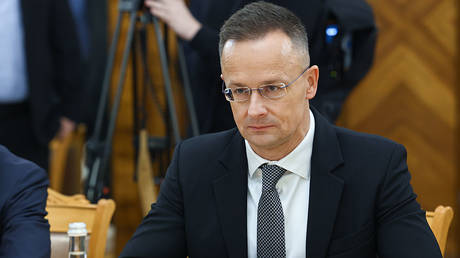
Hungary, which has long clashed with Kiev’s Western European backers over what it calls their “warmongering” approach, earlier warned that troop deployment plans “risk direct war with Russia.”