Reserves have already fallen below 60%, a level normally reached only at the end of January
The EU could face gas shortages as storage levels fall below 60%, Russian energy giant Gazprom has warned.
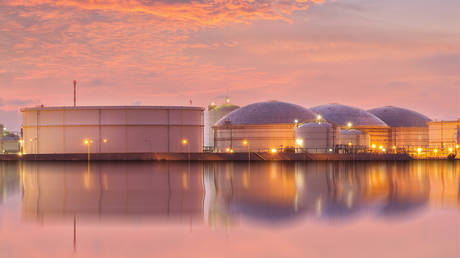
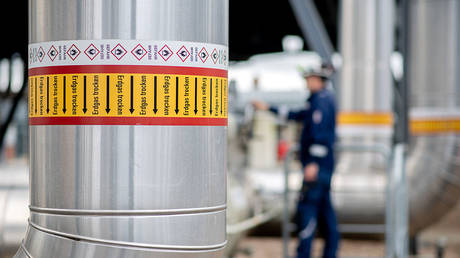
As of January 4, European underground gas storage facilities were 59.9% full – a level recorded only at the end of January last winter – Gazprom said in a Telegram post on Tuesday, citing calculations based on Gas Infrastructure Europe (GIE) data. It showed that current reserves are about 13% below the five-year norm for early January.
The sharpest declines have been recorded in major hubs such as Germany and the Netherlands, the EU’s first- and third-largest consumers by storage capacity. Dutch storage levels have dropped to 46.1%, while German facilities are only 54.1% full.
The company warned last week that withdrawals this season are outpacing those of the previous heating period. Despite the holiday lull, withdrawals on December 24 and 25 were the highest ever recorded for those dates.
“The rapid depletion of gas reserves in underground storage facilities leads to a premature loss of productivity and threatens the reliable supply of gas to consumers during cold weather,” Gazprom warned.
Gas storage withdrawals have been accelerated by colder-than-normal weather late in December, with Arctic air pushing up heating demand across the continent and driving higher consumption. Forecasts indicate that temperatures in the first half of January will fall to their lowest levels in 15 years.
The EU has slashed imports of Russian energy, which previously accounted for around 40% of its consumption, after imposing sanctions on Moscow following the escalation of the Ukraine conflict in February 2022. Under the bloc’s RePower plan, Brussels aims to eliminate Russian energy imports entirely by 2027.
Moscow has criticized EU sanctions as “self-inflicted harm” and “economic suicide,” arguing that Europe is sacrificing affordable energy for political reasons. Last month, the Kremlin warned that plans to phase out Russian gas by 2028 would further undermine the bloc’s competitiveness and drive up consumer prices.