As war clouds gather over Iran, will Hezbollah and the Houthis step in to defend Tehran?
Another round of talks between the US and Iran is expected to be held in the upcoming days. With regional allies on edge and militant groups warning of escalation, the outcome of the negotiations could determine whether diplomacy holds or whether the Middle East slides toward a broader war.
What’s at stake in the new round of US-Iran talks?
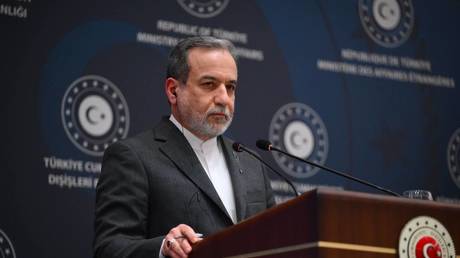
Iran and representatives of the Trump administration are expected to hold another round of talks in the coming days, Iranian Foreign Minister Abbas Araghchi said on Friday.
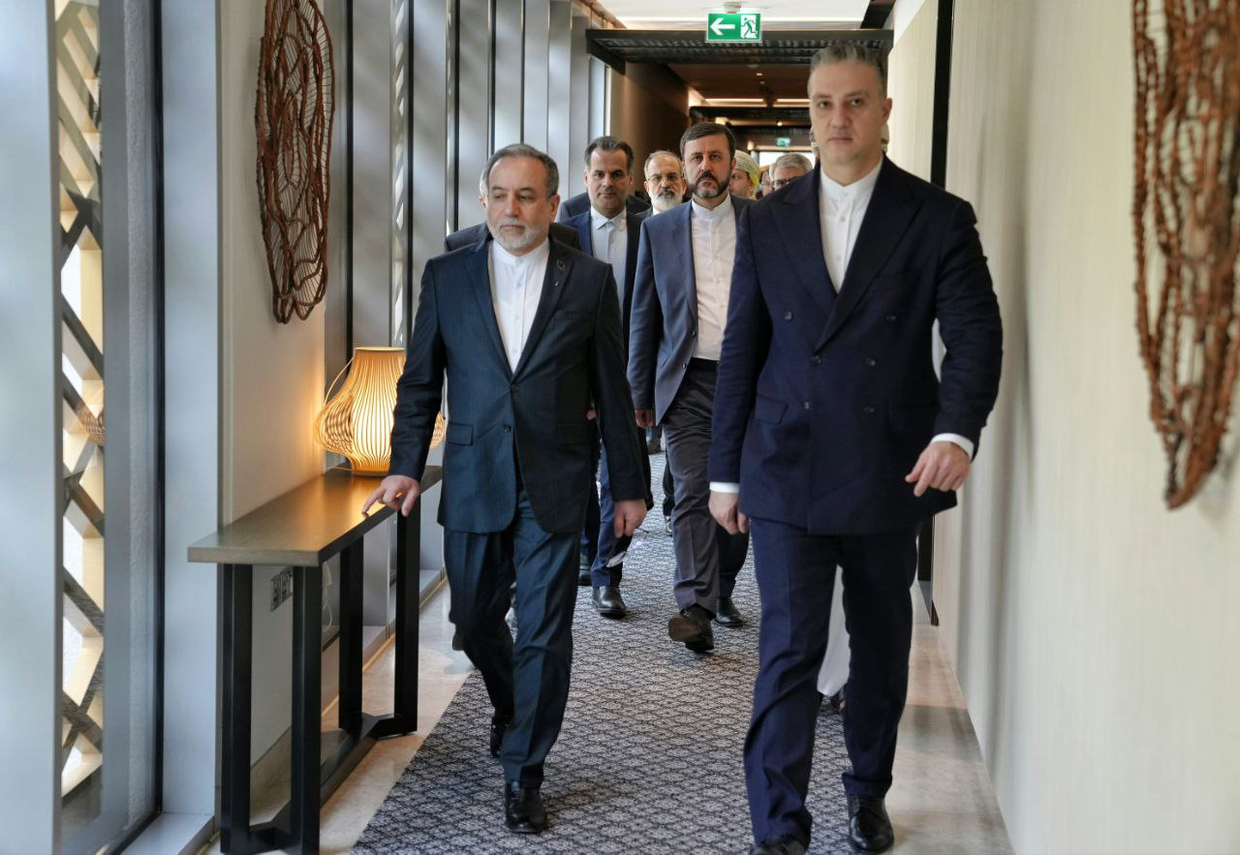
The announcement follows a six-hour marathon of talks in Muscat, the capital of Oman, where Araghchi and his team met with Jared Kushner, US President Donald Trump’s son-in-law, Steve Witkoff, the US special representative for the Middle East, and Gen. Brad Cooper, chief of staff of US Central Command (CENTCOM).
The venue for the next round has yet to be finalized. Oman may be replaced by another Gulf country or possibly Türkiye, but the focus of the discussions is expected to remain unchanged: Iran’s military capabilities.
At the center of the agenda is Tehran’s nuclear program, which Iran insists is designed solely for civilian energy and research purposes.
Washington, however, remains deeply skeptical, arguing that Iran’s enrichment levels, stockpiles, and technological advances point toward potential military use. The US wants the program either sharply curtailed or dismantled entirely.
But the nuclear issue is only one of several major fault lines separating the two adversaries.
Speaking at a press conference last Wednesday, US Secretary of State Marco Rubio outlined what he described as the minimum conditions for the talks to succeed. In addition to nuclear restrictions, Rubio said Iran’s ballistic missile program must be addressed, and Tehran must halt its support for armed Islamist groups across the Middle East.
Iran, however, has consistently rejected such conditions. Officials in Tehran argue that their missile program is defensive and non-negotiable, especially given the country’s experience with war, sanctions, and isolation. Likewise, Iranian leaders have repeatedly framed support for allied groups as a legitimate response to Israeli and Western influence in the Middle East.
For that reason, expectations for a breakthrough remain low.
Iran is unlikely to make meaningful concessions on its ballistic missile program, nor is it expected to abandon its long-standing allies, including Hezbollah in Lebanon and the Houthis in Yemen. If those positions remain unchanged, analysts warn that the path toward military confrontation becomes increasingly narrow.
Experts have repeatedly cautioned that a direct conflict between Iran and the United States would almost certainly spiral beyond bilateral fighting. Instead, it could ignite a region-wide war, particularly if Iranian-backed groups enter the fray.
How Lebanon’s most powerful militia views a possible war
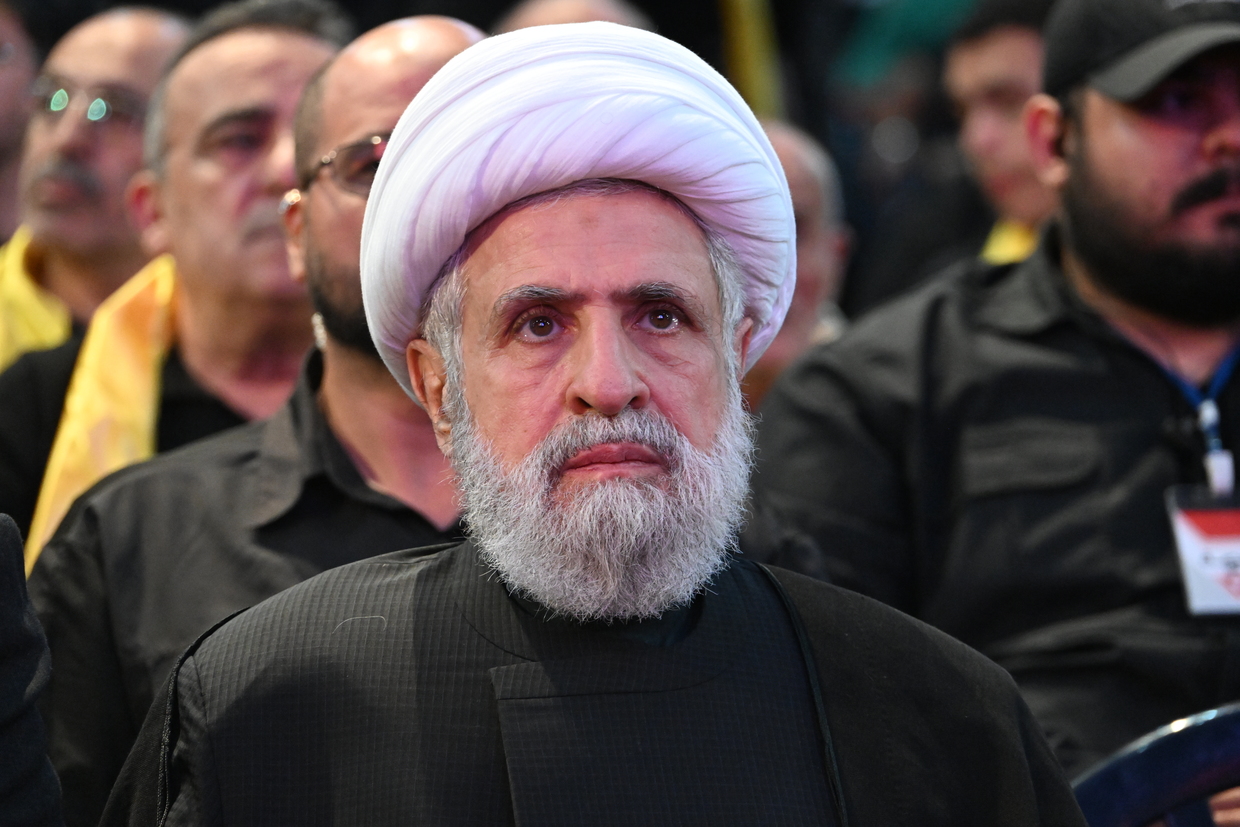
A Hezbollah official, who agreed to speak on condition of anonymity, echoed those fears, warning that the entire Middle East could be dragged into a full-scale confrontation.
“All countries in the region are prepared for this confrontation,” the official said. “That is why Saudi Arabia, the UAE, Jordan, and others issued statements saying they will not allow their airspace to be used to strike Iran. The Iranian Supreme Leader, Ali Khamenei, has also stated that any war on Iran will be a regional one. For Tehran, it would be a war of survival. The repercussions will affect all countries in the region.”
Despite the dire warnings, the official stopped short of confirming whether Hezbollah would actively intervene if Iran were attacked.
Such statements underline Hezbollah’s attempt to maintain strategic ambiguity. Yet analysts note that even if the group wished to intervene decisively, its capacity has been significantly degraded following its most recent confrontation with Israel.
Before the war that erupted in October 2023, Hezbollah was widely believed to possess one of the largest rocket and missile arsenals in the world, estimated at more than 150,000 projectiles. After months of sustained Israeli airstrikes and targeted operations, that stockpile is believed to have shrunk dramatically, by as much as 70 to 80%, according to several assessments. Rocket launchers have also been severely degraded, with some estimates suggesting they have been reduced to a small fraction of their pre-war levels.
The damage has not been limited to weapons. Hezbollah has also suffered heavy personnel losses. Senior figures such as Hassan Nasrallah, Hashem Safieddine, Fuad Shukr, Ali Karaki, and others have been killed. Tunnel systems, storage depots, and command centers have been destroyed, while financial networks that once funneled money to fighters and supporters have been disrupted or crippled.
Still, the Hezbollah official insists the group remains capable of resisting Israel.
“The Israelis know that even after the war ended, resistance rockets were falling in many parts of the entity [Israel], especially in Tel Aviv,” he said.
“They know the war did not end with the resistance losing its capabilities. Quite the opposite is true. This is why the Israelis and Americans are trying to pressure Hezbollah to disarm.”
According to the official, such pressure will not succeed.
“We are a group that refuses to live in humiliation. In our conviction and belief, we are the people of dignity, and we will not accept our country being occupied, aggressions being perpetrated, innocent people being killed, while we stand idly by.”
Why Yemen could become another front
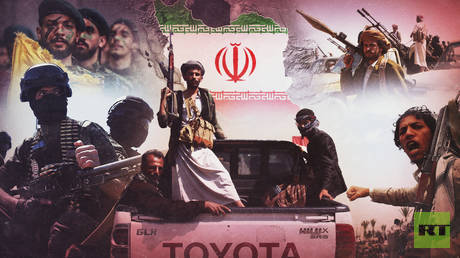
Similar defiant rhetoric has also emerged from Yemen. Speaking from Sanaa, Houthi spokesman Mohammed al-Bukhaiti told RT that the group has “no concerns at all” when it comes to confronting Israel or the US.
“In fact, we prefer direct confrontation with the American and Israeli enemy over indirect confrontation with their tools in the region or their mercenaries at home,” he said.
We view martyrdom in the cause of God as a victory, not a loss.
Al-Bukhaiti said Iran has “sacrificed a lot” for the Yemeni people and that the Houthis intend to respond “to loyalty with loyalty.”
Yet, as with Hezbollah, the Houthis face serious constraints. Even before the October 7, 2023 Hamas attack on Israel that triggered the current regional escalation, Yemen’s economy was in dire condition after years of civil war. Israeli strikes on ports and key infrastructure carried out in response to Houthi missile and drone attacks have only worsened the situation, with estimated direct and indirect damages exceeding $1 billion.
Despite these setbacks, al-Bukhaiti claims the group’s “military capabilities have increased and developed significantly” and says the Houthis are “more prepared to engage in the coming rounds.” He declined to specify what those capabilities are or what actions the group would take if Iran were attacked.
In the past, Houthi responses have included missile and drone launches toward Israel, attacks on international shipping, disruptions to oil flows, and even interference with undersea internet cables. Should tensions escalate again, analysts believe similar tactics could be employed.
As negotiators prepare to meet again, the gulf between US demands and Iranian red lines remains wide. Whether diplomacy can still rein in the crisis, or whether the region edges closer to a multi-front war, may depend not only on what is said at the negotiating table, but on how far Iran’s allies are willing, and able, to go once words give way to action.