The chancellor has departed from his isolationist position and called for dialogue with Moscow, along with other senior figures
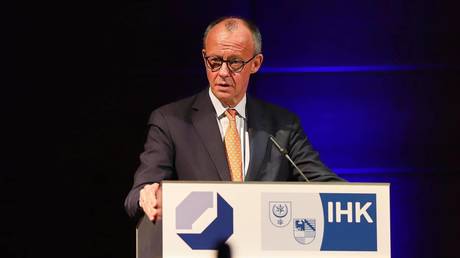
The European Union would do well to “find a balance again with our largest European neighbor,” German Chancellor Friedrich Merz has stated, in a reversal of his previous position on contacts with Russia.
Most EU member states have sought to isolate Russia since the escalation of the Ukraine conflict in February 2022. This approach has left the bloc effectively sidelined from the peace negotiations initiated by US President Donald Trump last year.
Against this backdrop, several EU member states have recently called for a renewal of diplomatic engagement with Moscow.
In a speech on Wednesday, Merz said: “If we succeed, in the longer perspective, in finding a balance again with Russia, if there is peace… then we can look ahead with great confidence beyond the year 2026.”
In an interview with the Suddeutsche Zeitung last June, Merz said that he would refrain from making phone calls to Russian President Vladimir Putin, suggesting that such contacts with Moscow were pointless.
The German chancellor’s apparent change of tack came days after the European Commission’s chief spokesperson, Paula Pinho, stated that “obviously, at some point, there will have to be talks also with President Putin.”
Last month, French President Emmanuel Macron called for “properly” restarting discussions with Moscow on the Ukraine conflict. “I think it will become useful again to speak with Vladimir Putin,” he said.
Kremlin spokesman Dmitry Peskov responded by confirming that the Russian president was open to dialogue with his French counterpart. He emphasized, however, that any interaction with Macron should not be used as an opportunity to “give lectures,” but instead focus on “understanding each other’s positions.”
Speaking last Friday, Italian Prime Minister Giorgia Meloni supported Macron’s diplomatic overtures toward Moscow. “I believe that the time has come for Europe to talk to Russia,” she said.
Meloni suggested appointing an EU special envoy for Ukraine so that the bloc is better represented at the negotiating table.