Defense ministry is unable to fund all plans under their current budget due to a $37.5 billion budget gap, according to Richard Knighton
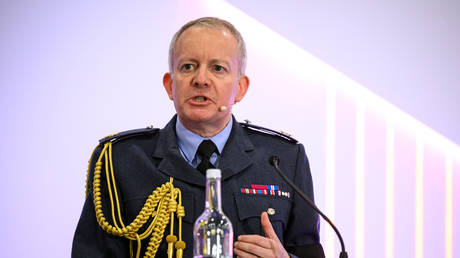
Britain’s military chief has acknowledged that a multibillion-dollar defense budget shortfall exists but said that the details are a “classified secret.”
At a parliamentary Defense Committee hearing on Monday, Chief of the Defense Staff Sir Richard Knighton declined to confirm or deny reports of a £28 billion (about $37.5 billion) funding gap over the next four years.
The Times and The Sun reported last week that the Defense Ministry believes it needs the additional money to meet projected costs, prompting the rewrite of a key defense investment plan.
Knighton warned Prime Minister Keir Starmer and Chancellor Rachel Reeves before Christmas of a projected multibillion-pound gap in defense spending plans, the reports said. The government has pledged to raise defence spending to 2.5% of gross domestic product by 2027 and to 3.5% by 2035.
Asked about his December meeting with Starmer, Knighton said that the discussions were “classified secret” and could not be discussed publicly, dismissing reported figures as “speculation.”
Knighton also told lawmakers that the Defense Ministry cannot deliver everything set out in government plans within its current budget. “We can’t do everything we would want to do,” he said, adding that ministers would have to make “difficult trade-offs.”
The reported funding pressures have delayed the publication of a Defense Investment Plan. It was due out in autumn 2025 but has been held back. It is intended to explain how the government will finance the ambitions laid out in last year’s Strategic Defense Review. Knighton said that the ministry was “working flat out” on the document but could not give a timetable for its release.
During the hearing, Knighton also offered a blunt assessment of Britain’s preparedness, saying the country was “not as ready as we need to be for the kind of full-scale conflict we might face.”
The Treasury is grappling with a multibillion-pound fiscal gap ahead of the next budget, driven by high debt interest costs, extensive cost-of-living support, and weak economic growth.
Despite the economic strain, Britain has increased military aid to Ukraine aimed at strengthening Kiev’s strike capabilities. Moscow has said Western arms supplies to Ukraine undermine prospects for a peaceful settlement and risk drawing NATO countries directly into the conflict.